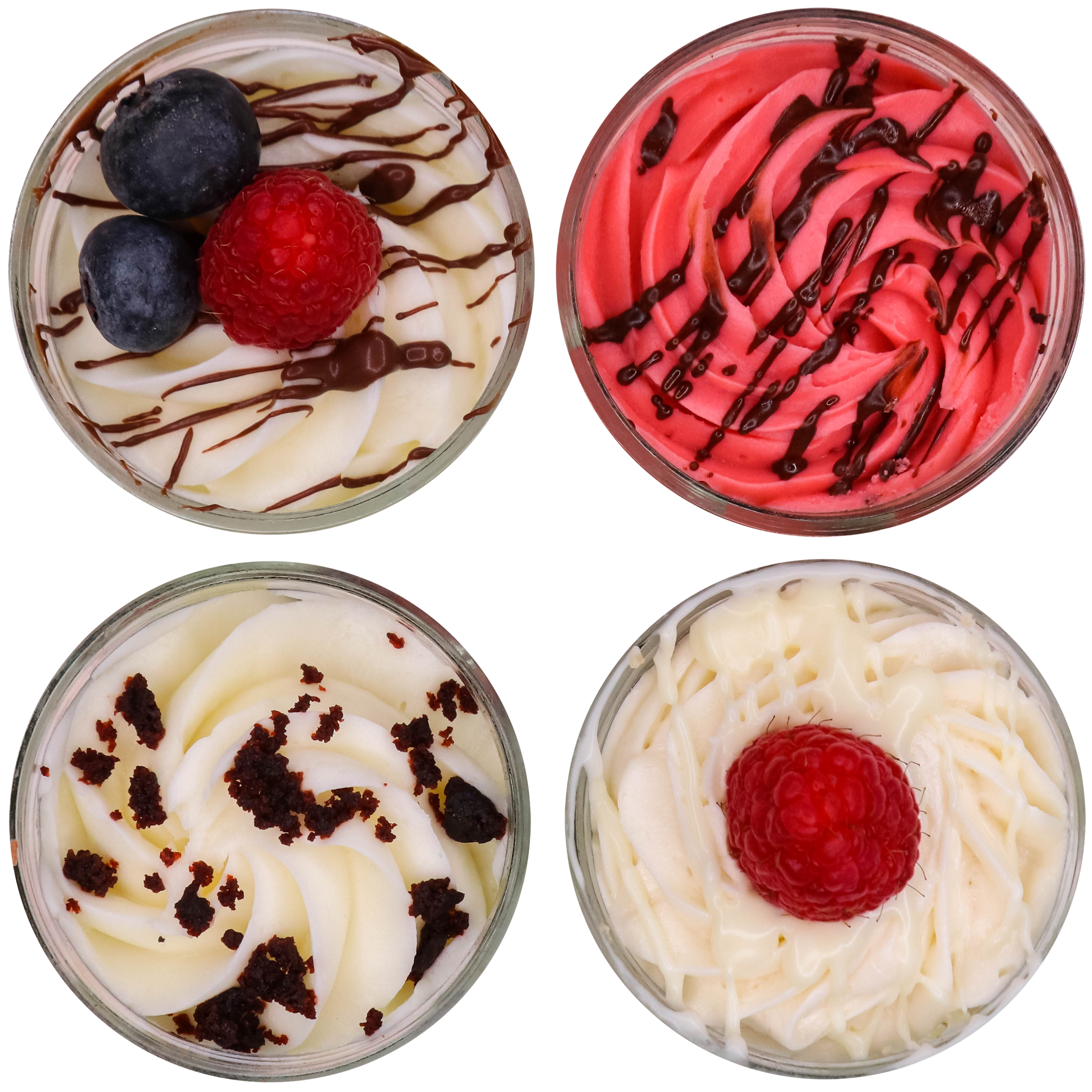
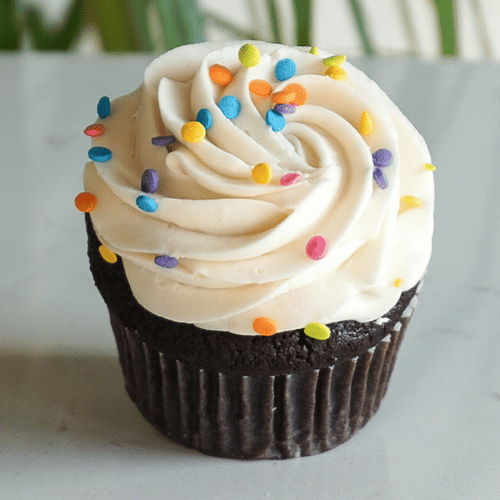
Color is not simply decoration in a bakery. It is one of the most influential factors in food selection. Long before customers read flavor descriptions or ask questions, their brains begin processing visual cues.
In bakery environments like Bakehouse46, where cupcakes are displayed openly and arranged with intention, color becomes the first point of influence. Research in sensory psychology consistently demonstrates that the brain processes visual information more rapidly than text or scent. Within seconds of approaching a display case, customers have already formed expectations about taste, richness, and sweetness, primarily based on color.
These findings are supported by decades of research in sensory science and consumer behavior, particularly in studies examining visual cues and taste perception.
Understanding how color psychology works helps explain why certain cupcakes consistently attract attention and why presentation is directly connected to perceived quality.

Research in consumer neuroscience confirms that visual stimuli are processed more rapidly than textual information. When customers approach a display case, their brains immediately assess color, contrast, brightness, and visual hierarchy.
This rapid evaluation determines which cupcake draws attention first. The choice may feel intentional, but the initial attraction is usually driven by visual prominence.
In a bakery offering multiple cupcake varieties, this visual filtering reduces decision fatigue. Instead of analyzing every option equally, the brain narrows choices quickly based on familiar visual cues and learned associations.
Color, therefore, acts as a shortcut in the decision making process.
Crossmodal correspondence describes how our senses interact. In food psychology, this means color signals quality and influences how we expect something to taste.
Over time, consumers develop strong color flavor associations. For example:
Even without tasting, many consumers can accurately predict flavor based on color alone. Frosting color does more than enhance appearance, it sets expectation.
For bakeries like Bakehouse46, maintaining alignment between color and flavor builds consistency and reinforces trust. When visual cues match taste, satisfaction increases.
These associations are not accidental, they are reinforced through repeated exposure and cultural conditioning over time.
Color does not only influence selection. It also affects how flavor is experienced.
Multiple studies in sensory science have found that color intensity directly alters perceived sweetness and richness, even when formulations remain unchanged. Darker tones are often rated as more indulgent or intense. Brighter shades may increase perceived sweetness. Lighter or muted tones can suggest a milder flavor profile.
Importantly, these perception shifts can occur even when recipes remain identical.
In cupcake design, factors such as frosting saturation, depth of tone, and finish (matte versus glossy) all influence interpretation before tasting begins. Presentation shapes expectation, and expectation shapes experience.
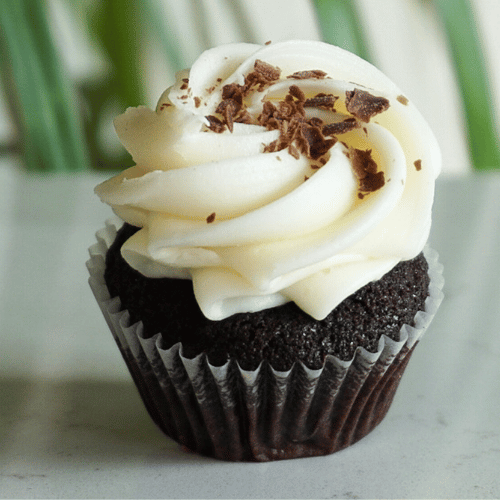
Warm tones such as red, orange, and golden brown are widely used in food environments because they stimulate appetite and increase emotional engagement.
These colors are commonly associated with:
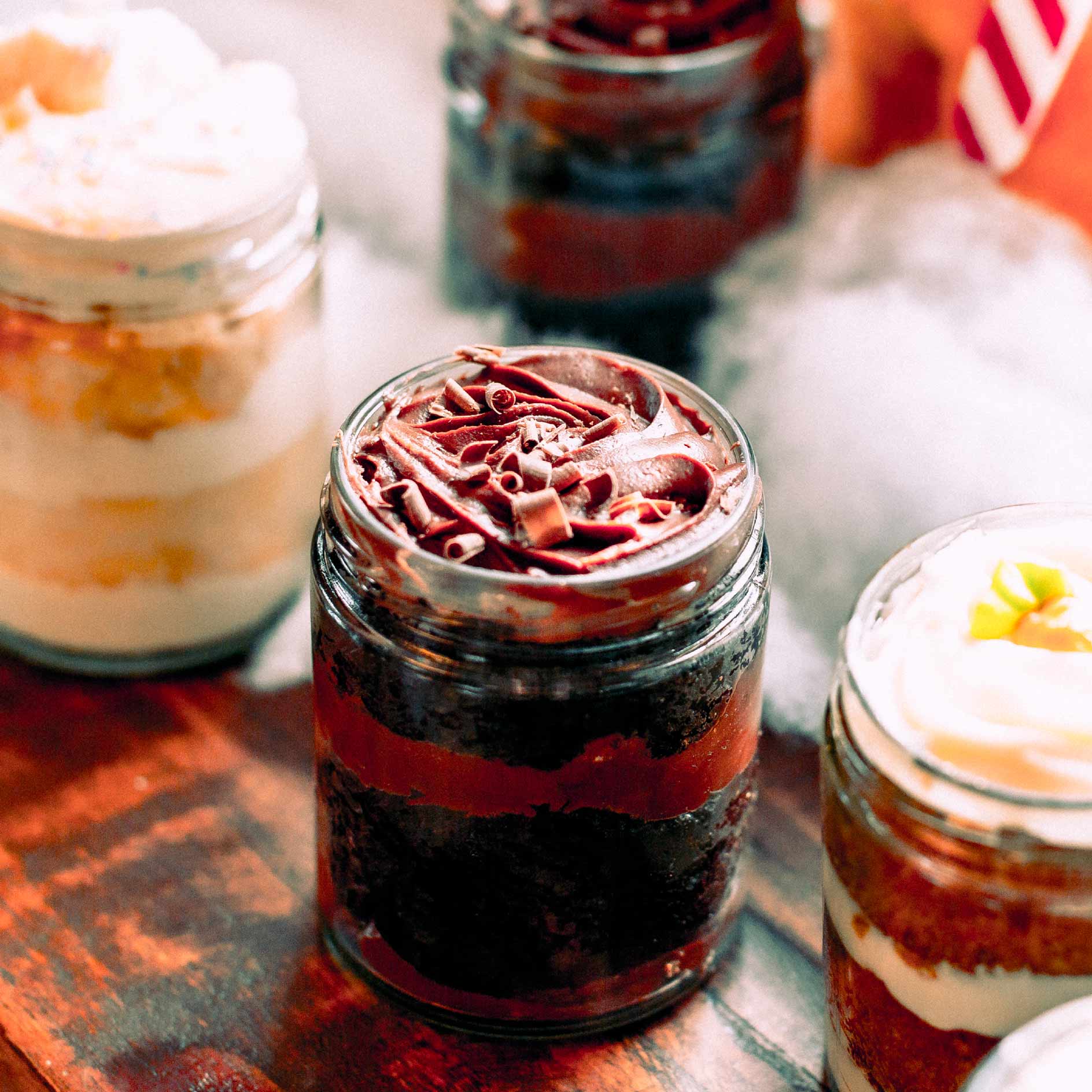
In practical bakery settings, warm toned cupcakes often perform strongly during colder months. Rich chocolate, caramel, and cinnamon hues naturally align with comfort driven purchasing patterns, particularly in Michigan’s fall and winter seasons.
This alignment between visual warmth and emotional comfort explains why certain color palettes resonate more strongly at specific times of year.
Across retail bakery environments, richer chocolate and caramel tones tend to maintain steady demand throughout the year, particularly during colder seasons when comfort driven purchasing increases.
Cool and pastel shades create a different psychological effect. Softer tones are often associated with elegance, balance, and visual restraint.
In catering and event based orders, such as weddings, baby showers, and corporate gatherings, neutral and pastel palettes are frequently preferred. These tones contribute to a cohesive aesthetic and support the overall theme of the event.
Color selection in these contexts is intentional. It supports atmosphere and enhances visual harmony without overwhelming the setting.
Contrast plays a measurable role in attention.
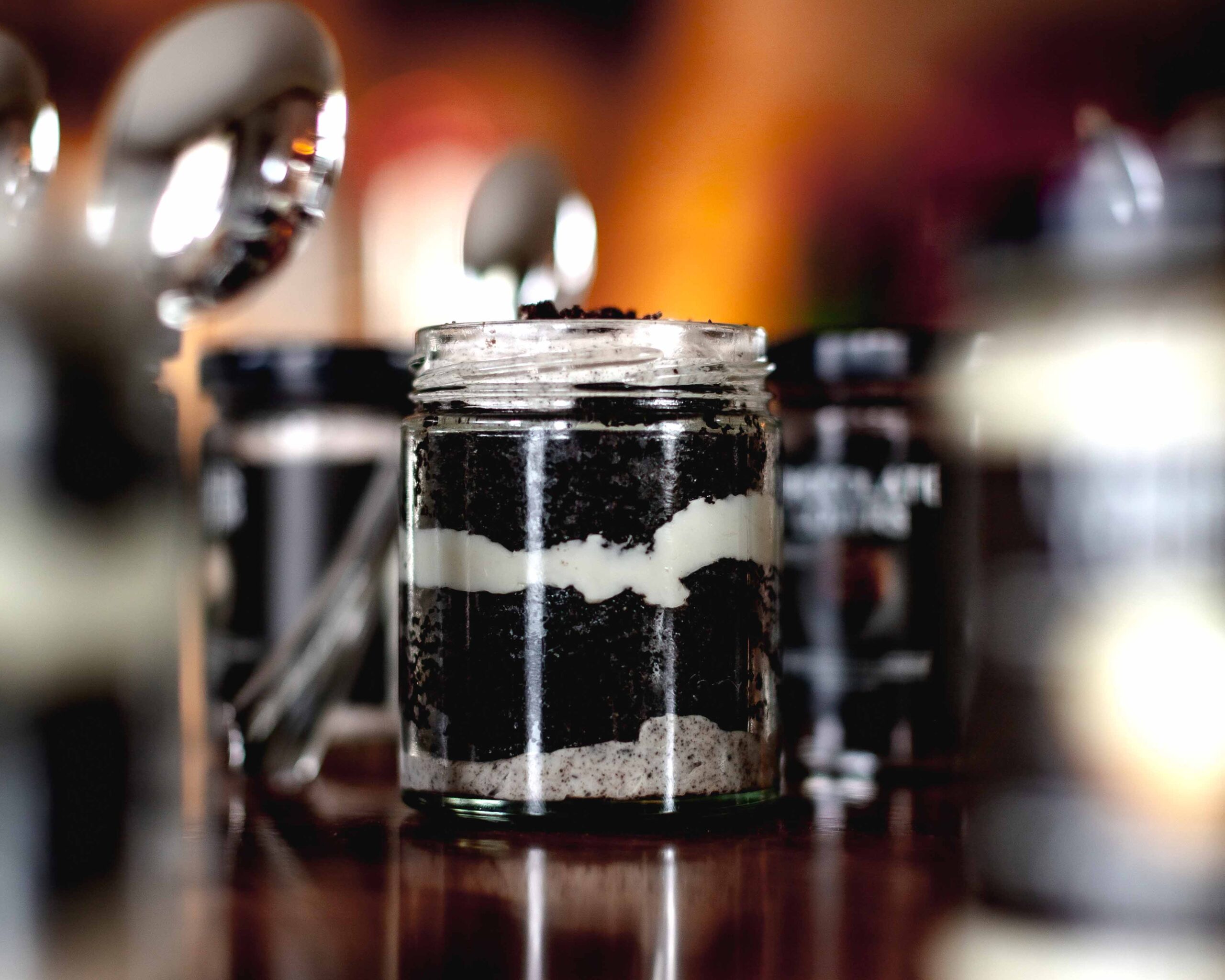
Cupcakes with clear color separation between base and frosting tend to stand out more effectively in display cases. Research in visual merchandising confirms that high contrast products are more noticeable and memorable.
Placement further strengthens this effect. Items positioned at eye level typically receive greater attention than those placed lower or toward the back. When color contrast and strategic placement work together, they significantly influence selection behavior.
In multi location bakery operations, display consistency can also reinforce brand identity across stores.
Food selection is influenced by emotional context. Research in consumer behavior suggests that individuals experiencing stress or fatigue may gravitate toward darker, richer foods associated with comfort.
Conversely, celebratory moments often drive preference toward brighter, more visually expressive desserts.
In retail bakery environments, these patterns become observable. Deep chocolate and darker toned cupcakes often sell steadily during routine visits, while vibrant and decorative designs perform strongly during weekends and celebrations.
Color functions as a visual cue that aligns product choice with emotional state.
Purchasing behavior today is increasingly shaped by visual platforms. Research in digital food marketing shows that visually appealing desserts increase perceived quality and engagement.
Cupcakes featuring:
Are more likely to be photographed and shared. This digital visibility contributes to perceived craftsmanship and strengthens brand recognition.
For bakeries operating across multiple locations, visual consistency becomes part of long term brand positioning.
Seasonal shifts influence color preference.
During colder months, deeper and warmer tones are often favored. In spring and summer, lighter and brighter shades gain popularity.
Aligning cupcake presentation with seasonal expectations enhances relevance and responsiveness to local trends. It demonstrates attentiveness to community preferences while maintaining product consistency.
For bakeries operating across multiple locations, adjusting color palettes seasonally is not only aesthetic, it is a strategic response to shifting consumer preference patterns.
Color is not secondary to flavor; it forms part of the flavor experience itself. In modern bakery environments, presentation and perception operate together. Understanding this connection clarifies not only why certain cupcakes attract immediate attention, but also why those choices feel satisfying and memorable.
This perspective reflects both established research in sensory psychology and practical observations within modern retail bakery operations.
Yes. Research in sensory science shows that color shapes expectation, perceived sweetness, richness, and intensity, even when ingredients remain unchanged.
Darker shades are associated with depth and intensity. This association increases perceived indulgence and richness.
Pastel tones convey elegance and visual harmony, making them suitable for weddings, showers, and formal gatherings.
Yes. Products positioned at eye level and those featuring stronger visual contrast are more likely to attract attention.